
Analytical Thinking
Real systems rarely belong to a single discipline
Electronics
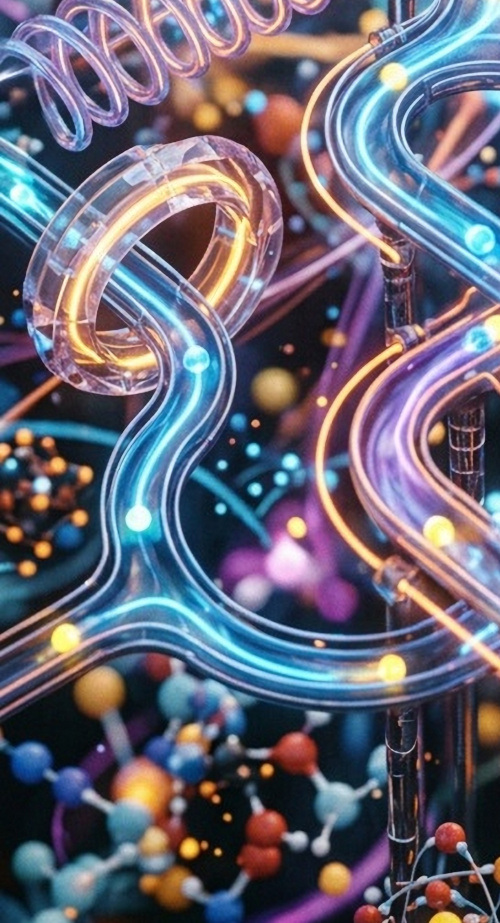
is the orchestration of electrons. It is literally determining how electrons move around a circuit. It can be imagined as a marble run, except the marbles are far smaller and the pathways far more numerous.
Mechanics
(& materials)
that we can touch are vast accumulations of molecules and compounds, shaped by processes and treatments.
Measurement
uses a physical or chemical behaviour to monitor a parameter of interest. Once you understand how that behaviour varies, you have the basis of a measurement.
Understanding these structures and interactions is both fascinating and a lifelong activity:
– it never switches off,
– it never goes away.
Everything is an opportunity to explore.
Over many years this habit forms almost unconsciously. Curiosity leads from one subject to another. Sometimes necessity forces the acquisition of knowledge and tools. At other times it is simply the fascination of seeing how others approach a problem.
Gradually, the pieces begin to connect.
Learning by Accumulation

The process is rarely structured.
An early career suggestion was simply to read something technical every day. The specific topic did not matter. If it was interesting, it would stay with you.
Over time these fragments begin to connect. Curiosity and necessity combine to build an expanding web of knowledge. Individual observations gradually reinforce one another.
Cross-Pollination
Ideas often move between disciplines.
A principle observed in one field may suggest a solution in another.
Sometimes inspiration arrives unexpectedly. The challenge for efficient cooling of a high-powered professional amplifier came from an earlier memory of looking at the cooling system of an old marine diesel engine.
Being told that something cannot be done is often an interesting challenge. Understanding why conventional thinking reaches that conclusion can sometimes reveal a different path.

Curating Curiosity
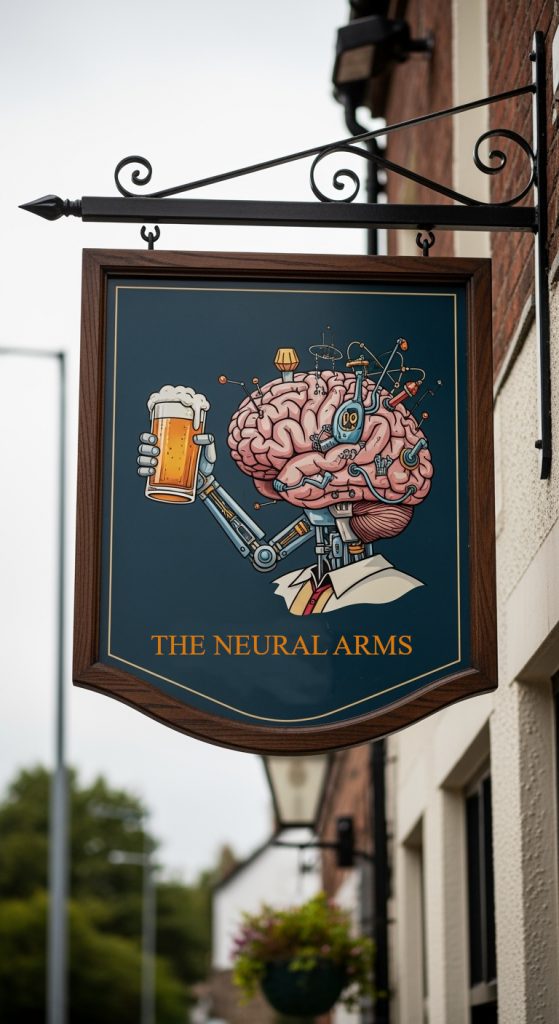
The process never really stops.
New tools appear, new technologies emerge, and each project introduces unfamiliar territory.
Some developments are evolutionary, others more revolutionary. Artificial intelligence is a recent example.
When the surrounding hype is stripped away, what remains is a mechanism that can make individuals more capable in less time by removing barriers to understanding and exploration.
The aim is not to collect knowledge for its own sake,
but to remain able to approach unfamiliar systems
with curiosity and confidence.

Start the conversation
If any of these ideas resonate with challenges you are facing,
feel free to get in touch

